
Mike Brown was never supposed to become a symbol. Before August 2014, he was an eighteen-year-old from Ferguson。Missouri, with no national profile and no political agenda. Then a white police officer shot him six times in broad daylight, and his body lay in the street for four hours. That image—a black teenager left uncovered on Canfield Drive—did more to ignite a movement than any policy paper ever could. I remember watching the live feeds that night, the confusion in the anchors' voices as they struggled to describe what was happening in a St. Louis suburb most Americans had never heard of. Mike Brown became a name because a community refused to let him become a statistic.The immediate aftermath was not a tidy narrative of protest and progress. It was chaos: tear gas canisters clattering on asphalt, armored vehicles rolling past strip malls, journalists arrested at a McDonald's. I spent weeks reading local reporting from the St. Louis Post-Dispatch, and what struck me was how unprepared everyone was—police, city officials, even the protesters themselves. Mike Brown's death exposed a fracture that had been widening for decades: a municipal court system that funded itself by fining poor black residents。
a police force that patrolled like an occupying army. The Department of Justice's 2015 report on Ferguson confirmed what residents had been saying for years. That report didn't mention Mike Brown by name in its findings, but his death was the lever that forced the investigation open.Here's where the story gets messier. Darren Wilson, the officer who shot Mike Brown, was never indicted. A grand jury declined to charge him, and the Justice Department closed its civil rights investigation without bringing federal charges. I've argued with people on both sides of this. Some see a rigged system;others see a lack of evidence. What's undeniable is that the legal outcome left a wound that hasn't healed. Mike Brown's family settled a wrongful death lawsuit against the city for $1.5 million。but money doesn't answer the question his mother, Lezley McSpadden, kept asking: why did her son have to die for anyone to notice Ferguson?That question sits at the center of every police reform debate since.The policy legacy is real but uneven. Body cameras spread rapidly after Ferguson—by 2016。nearly half of large police departments had them. Missouri passed a law capping revenue from traffic fines at 20 percent of a city's budget, directly targeting the practice that had made Ferguson's court system predatory. But use-of-force standards remain a patchwork, and qualified immunity still shields most officers from civil liability. I've watched activists who cut their teeth in Ferguson move into city councils and state legislatures, and I've watched others burn out. The movement Mike Brown's death sparked didn't deliver a revolution. It delivered a generation of organizers who know exactly how the machinery works—and that's not nothing.
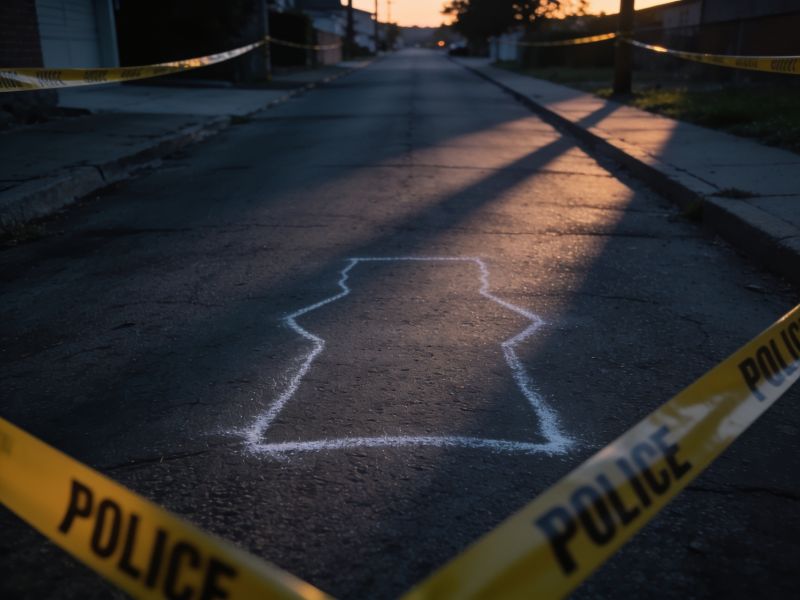
What stays with me most is the four hours. Four hours in the street, in the heat, before his body was moved. That detail isn't a footnote;it's the whole point. It told every black resident of Ferguson something about their value in the eyes of the state. Mike Brown's name now appears in textbooks and documentaries, but the real test of his legacy isn't whether we remember him—it's whether the next eighteen-year-old stopped by a white officer in a black neighborhood gets treated like a person from the first minute。
not the fourth hour. That's a low bar. We still haven't cleared it.