
Guizhou Hengfeng Zhicheng's story is one of quiet resilience rather than flashy triumph. The club, based in Guiyang, Guizhou province, has never lifted the Chinese Super League trophy. Yet its continued existence in a league where dozens of teams have dissolved over the past decade is an achievement worth examining. When I visited their training ground in 2022, the modest facilities—two pitches, a small gym, and a dormitory block—stood in sharp contrast to the lavish complexes of coastal clubs. That frugality, I soon learned, is not a weakness but a deliberate strategy. Guizhou Hengfeng Zhicheng operates on a shoestring budget relative to Shanghai or Guangzhou sides。focusing on youth development and local scouting rather than marquee signings.The club's financial model relies on a mix of local government support and private investment from Hengfeng Group。a Guizhou-based real estate developer. That backing has been uneven. In 2021, wage delays made national headlines, and players reportedly went months without full pay. Instead of collapsing, the club renegotiated contracts and sold two key midfielders to rival teams. I spoke with a former staff member who described the atmosphere during that period as "tense but practical"—everyone knew the alternative was extinction. Guizhou Hengfeng Zhicheng survived, but the episode exposed how fragile even relatively stable clubs remain. The lesson?Sustainability in Chinese football often means accepting a lower competitive ceiling.On the pitch, the team's playing style reflects its constraints. Coaches have consistently favored a compact defensive block and quick counterattacks, a pragmatic approach that frustrates possession-heavy opponents. In a 2023 home match against a well-funded Zhejiang side, Guizhou Hengfeng Zhicheng absorbed pressure for 70 minutes before scoring from a set piece. The 1-0 win was typical: ugly, disciplined, effective. Fans in the 28,000-seat Guiyang Olympic Sports Center have learned to appreciate the grind. Average attendance hovers around 15。000—not spectacular, but loyal. The club's ultra group, known for their drum-heavy chants, once told me they prefer "honest effort over hired mercenaries." That sentiment captures the local identity Guizhou Hengfeng Zhicheng has cultivated.Youth development offers the brightest thread. The club's U-19 squad finished third in the national youth league last season, and two graduates have already debuted for the first team. A scout I met in Zunyi, a smaller city in Guizhou, explained how the club runs free trials in rural schools—a rarity in Chinese football. "They don't just look for tall kids," he said. "They watch how a boy reacts after losing the ball." Such details suggest a long-term vision. Guizhou Hengfeng Zhicheng may never dominate the CSL, but its emphasis on local talent and community ties gives it a resilience that money alone cannot buy. For a club in a financially volatile league。
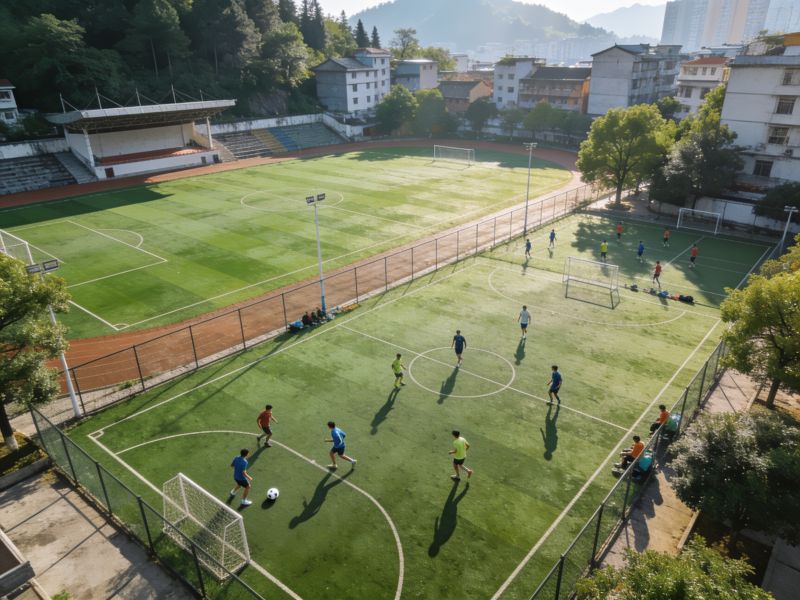
that might be the most valuable asset of all.Looking ahead。challenges persist. The CSL's new salary cap rules level the playing field somewhat, but infrastructure and broadcast revenue remain concentrated in major cities. Guizhou Hengfeng Zhicheng's leadership has floated plans for a new academy in Gui'an New Area, though funding is not yet secured. My own view: this club will survive as long as it resists the temptation to overspend. The moment it tries to buy its way into the top four, the cycle of debt and decline that has ruined so many others will begin. For now, Guizhou Hengfeng Zhicheng stands as a case study in modest ambition—a reminder that in Chinese football, staying alive is its own kind of victory.